Gesundheit
Lunch as Vascular Protection: These Four Components Work Synergistically
How Beetroot, Black Garlic, Vitamin E, and Zinc Jointly Promote Blood Circulation and Cell Protection
2026-10-17
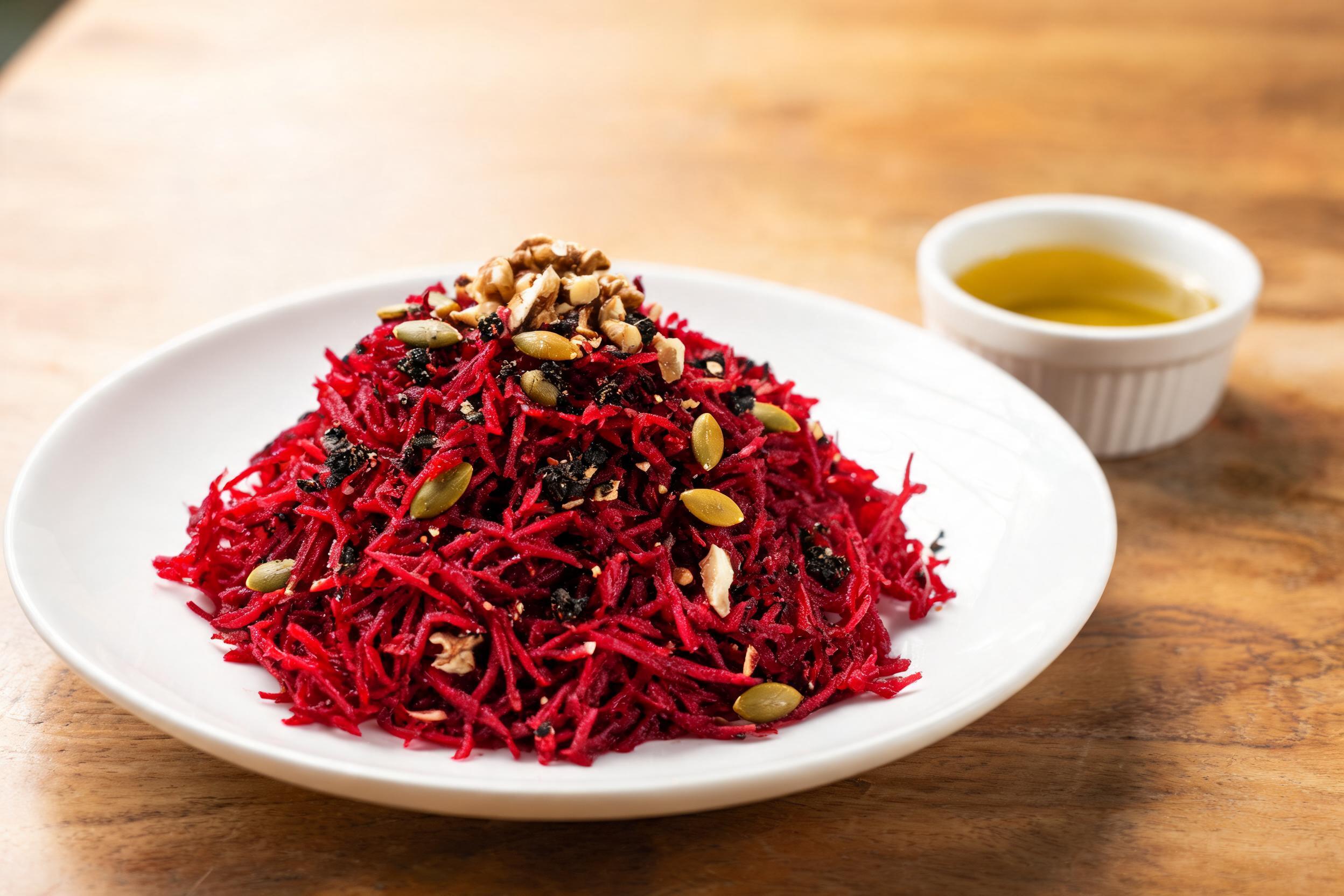
For people with type 2 diabetes, lunch is more than just satiation—it can be deliberately designed as a protective shield for blood vessels. A mindful combination of specific foods supports vascular elasticity, improves blood flow, and protects cells from damage. Four components form a powerful team here:
Beetroot takes first place. It contains natural substances converted into nitric oxide in the body. This gas acts like a natural vasodilator: it relaxes blood vessel walls, enhances blood flow, and thereby reduces pressure in the veins.
Black garlic, created through fermentation, brings strong antioxidant properties. Antioxidants function like the body's own rust inhibitors. They trap harmful free radicals that can damage vessel walls and promote inflammation. Simultaneously, black garlic supports blood pressure regulation.
Vitamin E complements this protection as a fat-soluble antioxidant. It integrates particularly into the delicate cell membranes of blood vessels, shielding them from oxidative stress—a common companion in diabetes.
Zinc, often found in seeds or nuts, completes the combination. This trace element is essential for cell division and repair, strengthens vessel walls from within, and supports the immune system.
The synergy of these four elements makes the difference: While beetroot and black garlic acutely promote circulation and keep vessels 'supple,' vitamin E and zinc protect cellular structures long-term. Practically implemented, this could be a salad of grated beetroot with a dressing of black garlic puree, olive oil (rich in vitamin E), and pumpkin seeds (a zinc source). This intentional composition turns lunch into an effective building block for daily vascular protection.